
How Our Pediatric Neuro-Developmental Evaluation Fixes Visual Fatigue Before the Oregon School Year Begins

Summer has a rhythm. Late mornings, long light, hours outside. Then the calendar turns. A child goes from open afternoons to reading for hours, to tracking a whiteboard from the back row, to holding focus through a full school day.
Sleep and health get checked first, and they should be. Sometimes, though, the drain sits somewhere quieter: the eyes.
The 20/20 Trap
School vision screenings test one skill—reading letters from twenty feet away. Plenty of children ace that test. Their visual system still wears out fast.
A page of homework asks for more. The eyes track across a line. They land on the next one. Both eyes aim at the same target, then shift from desk to board and back. Again and again. Inefficient systems make every pass cost effort. Effort costs energy.
What Visual Stamina Means
Visual stamina is how long the eyes work before they tire. A child with low stamina starts homework with focus. Fifteen minutes later, it is gone. Eye rubbing is one sign. So are blinking and headaches behind the eyes.
Reading also needs eye teaming. Both eyes lock onto one spot. Two pictures arrive in the brain, and they must fuse into one. Drift sets in, and words can double or wiggle. A child adapts without knowing it. The head tilts. One eye gets covered. The page behaves again.
What a Neuro-Developmental Evaluation Looks at
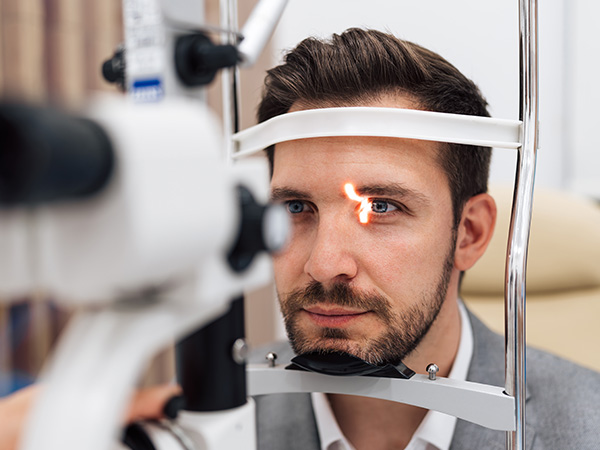
A standard eye exam checks eye health and the need for glasses. A neuro-developmental evaluation asks different questions. How well do the eyes hold together under sustained demand? How fast does the visual system process input? How smoothly does it work with balance and movement?
Real tasks matter here. Brief static tests do not. Focus, eye teaming, tracking, processing speed, all of it gets measured while the child actually works.
Balance and vision share wiring. That link is called vestibular-visual integration. When the two systems fall out of step, a busy classroom or hallway can feel overwhelming. The strain then shows up as fatigue.
The question underneath all of it is simple. Is the visual system pulling its weight, or draining energy that should go toward learning?
What Happens If Something Shows Up
Glasses rarely solve this. They sharpen what the eyes see. Endurance is a separate skill.
Vision therapy builds it. Guided activities train the eyes and brain to work as a pair, so seeing costs less. More energy stays free for reading and attention. Each plan is tailored to the child’s findings, and progress gets measured along the way.
The Timing Question
Fall is when the problem tends to surface. A few weeks of full school demand usually does it. Late summer is a smarter window. Weak spots turn up before the workload piles up. Therapy can start while the schedule still has room.
What Tired Eyes Look Like After School
Watch the pattern, not a checklist.
Does your child fade during reading or screen time, then bounce back outdoors? Does a finger keep landing on the page long after classmates stopped doing that? Head tilting or squinting during close work counts too.
A kid who complains of headaches after school, or who suddenly hates homework, may be showing you the effort behind the page. Behavior speaks before a child can name the problem. Sleep and health deserve a check first. If the pattern still points to visual tasks, an evaluation can add a useful piece to the picture.
An Oregon school year asks a lot of a child’s eyes. Clear sight is only part of the job. Endurance and coordination do the heavy lifting once the bell rings.
If your child fades during visual work despite passing every screening, a neuro-developmental evaluation can tell you if the eyes are part of the story. August is the better month to find out.
For more on how Neuro-Developmental Evaluations fix visual fatigue, visit CONVERGE Neuro Optometry. Our office is in Tigard, Oregon. Call (503) 906-3596 to book an appointment today.



Contact Info
Business Hours
- Monday By Appointment
- Tuesday 8:00am to 6:00pm
- Wednesday 8:00am to 6:00pm
- Thursday 8:00am to 6:00pm
- Friday 8:00am to 6:00pm
- Saturday Closed
- Sunday Closed
© 2026 CONVERGE Neuro Optometry. All rights Reserved. Accessibility Statement - Privacy Policy - Sitemap
Powered by:
