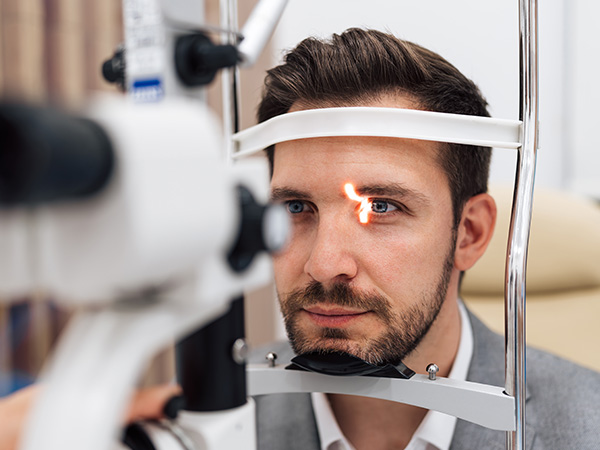


Syntonic phototherapy, also called syntonics or optometric phototherapy, is a type of light-based treatment used in neuro-optometry and vision therapy. It involves looking at specific wavelengths of light through colored filters for a set period of time under professional guidance. The goal is to support visual function and help improve how the eyes and brain work together.
How Syntonic Phototherapy Works
This therapy is based on the idea that light entering the eyes can influence visual processing and certain brain pathways involved in regulation and sensory function. In clinical practice, syntonic phototherapy is often used as part of a broader treatment plan rather than as a stand-alone solution. A neuro-optometrist determines the light frequency, filter, and schedule based on the patient’s symptoms and exam findings.
What Symptoms or Conditions It May Support
Syntonic phototherapy is commonly discussed for patients with visual stress, light sensitivity, focusing problems, convergence issues, and some neuro-visual symptoms after stress or trauma. In neuro-optometric settings, it may also be considered when patients have trouble with visual comfort, attention, or sensory balance. The exact use depends on the patient’s diagnosis and overall care plan.
What a Treatment Plan May Involve
A syntonic phototherapy program usually includes an evaluation first, followed by a customized treatment schedule. Depending on the practice and the patient’s needs, therapy may be done in-office, at home, or as part of a larger neuro-optometric rehabilitation program. Treatment is designed to be individualized, since symptoms and visual system needs can vary widely from one person to another.
Key Things Patients Should Know
If your doctor recommends syntonic phototherapy, it may be because they believe light-based treatment could complement other therapies. Patients often want to know what to expect, and these are a few practical points:
It is non-invasive
It is typically customized to the patient
It may be combined with other neuro-optometric care
Progress can depend on the underlying condition and treatment consistency
These points can help patients understand why a full evaluation matters before beginning treatment.
Why Professional Guidance Matters
Syntonic phototherapy is a specialized service, so it is important to have it recommended and monitored by a qualified provider. Research on optometric phototherapy exists, but a 2023 systematic review noted that the quality of available evidence is limited, which is one reason patient selection and clinical oversight are important. Rather than viewing it as a one-size-fits-all treatment, it is better understood as one possible tool within a personalized neuro-optometric care plan.
If you would like to learn whether syntonic phototherapy may be appropriate for your visual needs, contact CONVERGE Neuro Optometry in Tigard, Oregon by calling (503) 906-3596 or visiting 9975 SW Frewing St #130, Tigard, OR 97223.